
DARK Souls 3 Convergence: Classes, Spells, and Setup
Explore DARK SOULS 3 Convergence: classes, 12 magic schools, covenants, boss rematches, and installation tips. Learn the DLC requirements before playing.
Jump to
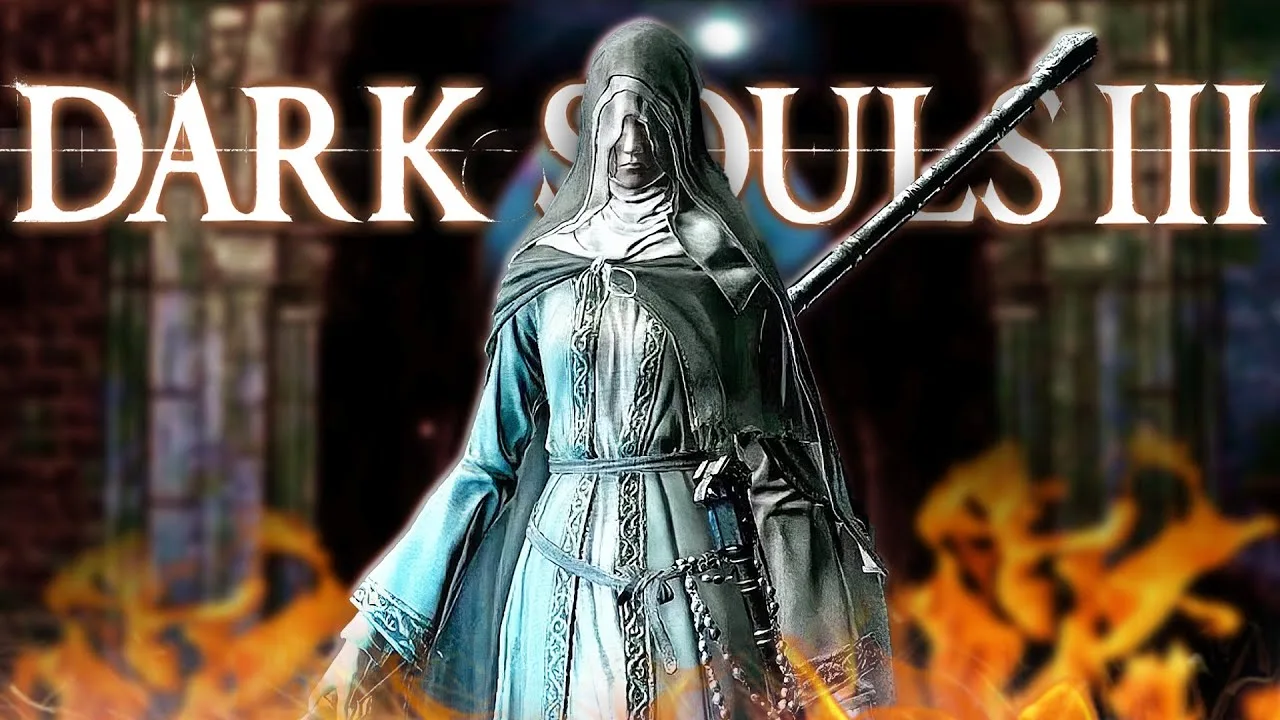
What Is The Convergence?
Knowing every ambush in Lothric takes some of the tension out of another playthrough. DARK SOULS 3 Convergence gives you fresh reasons to explore through new starting classes, expanded magic, redesigned areas, and altered bosses. Its changes reach into weapon scaling, armor bonuses, crafting, and covenants, so even a familiar character concept develops differently.
The Convergence is a substantial PC overhaul. Version 2.2.1 adds dozens of weapons and hundreds of spells, alongside changes to enemy placement, lighting, equipment, and combat systems.
Magic takes center stage, but melee characters also get reworked weapons, new movesets, passive equipment effects, and additional progression options. Play the original game first if you have never finished it; the overhaul gets much of its appeal from disrupting routes and encounters you already know.
Official page: DARK SOULS™ III (bandainamcoent.com)
Installation, DLC Requirements, and Online Play
Both Ashes of Ariandel and The Ringed City are required. Running the mod without both expansions causes crashes.
Before installing, back up your existing saves. On Windows, the save directory is:
C:\Users\<username>\AppData\Roaming\DarkSoulsIII
Copy the folder somewhere separate before changing your installation. Start a fresh character for the overhaul to experience its starting equipment and progression together.
Install the Mod Files
The installation uses the folder containing DarkSoulsIII.exe:
- Download the Dark Souls 3 edition of The Convergence.
- Extract the main archive with WinRAR or 7-Zip.
- Place
modengine.ini,dinput8.dll, theHoodiePatcherfiles, and theThe Convergencefolder besideDarkSoulsIII.exe. - When updating an existing installation, overwrite the old mod files when prompted.
Keep the extracted folder structure intact. The configuration files and the main mod folder belong alongside the executable.
The Dark Souls 3 overhaul and the Elden Ring overhaul share the Convergence name. Choose the package for the game you are installing.
Keep Online Restrictions in Mind
The included Mod Engine configuration disables connection features by default. Keep that protection enabled for an offline playthrough.
Taking the mod online can result in an account soft-ban. The shared multiplayer password is Converge, but a password does not protect your account from penalties. Modded multiplayer is intended for players running the overhaul together.
To uninstall, remove the installed mod files from the game directory. Removing modengine.ini is also a documented way to disable the installation. Keep your original save backup separate from your modded progress.
Starting Classes and the 12 Magic Schools
The expanded starting roster includes roughly 20 new classes, with options such as Cryomancer, Alchemist, Blood Priest, and Geomancer. These starts provide equipment and abilities that establish a character’s theme immediately.

Some classes also bring traditionally late-game equipment into the opening hours. The Izalith Legionnaire, for example, starts with the Demon’s Scar and combines pyromancy with Dexterity and Faith. Reworked scaling changes the weapon’s place in progression, so its familiar name does not carry the same implications as in the base game.
Choose your class around the attacks and equipment you want to use early. Then build around the mod’s actual scaling and requirements.
How the Spell Schools Differ
Sorceries, miracles, and pyromancies each branch into four schools. Their themes also change which damage types and supporting mechanics they use.
| Magic family | School or branch | Damage and defining features |
|---|---|---|
| Miracles | Lightning miracles | Traditional lightning attacks |
| Miracles | Holy miracles | Physical damage and knockback |
| Miracles | Blood miracles | Dark damage, bleeding effects, and health draining |
| Miracles | Necromancy | Magic damage, damage over time, and summoned minions |
| Sorceries | Crystal sorcery | Traditional magic damage |
| Sorceries | Physical sorcery | Physical damage spells |
| Sorceries | Hexes | Dark damage, homing attacks, and curse effects |
| Sorceries | Light sorcery | Lightning damage and utility spells |
| Pyromancies | Fire pyromancies | Traditional fire damage |
| Pyromancies | Cryomancy | Dark damage through black flame and ice-themed spells |
| Pyromancies | Geomancy | Physical damage and poison effects |
| Pyromancies | Druidism | Magic damage, damage over time, healing, and nature-themed summons |
A spell’s appearance does not always reveal its damage type. Cryomancy, for instance, includes ice-themed attacks while dealing dark damage. Match your damage bonuses to the spell’s actual properties.
FP regenerates naturally, giving spells and weapon arts more room in everyday combat. Powerful spells still demand substantial resources: advanced options include high casting costs and stat requirements around 70–75.
Keep a less expensive spell available alongside your heavy attacks. Regeneration supports sustained casting, but it does not remove the cost of repeatedly using your strongest spell.
Accessing Spell Vendors
Cornyx, Irina, Orbeck, and Karla remain important to spell progression. Firelink Shrine includes warps that let you reach these vendors early, rescue them, and return.
Use those routes when developing a caster. Access to the relevant merchants connects your starting abilities to the broader spell and equipment selection.
Covenants Now Drive Build Progression
Covenants provide passive benefits and enable enemies to drop currencies tied to their associated shops. That makes your equipped covenant part of your resource planning.
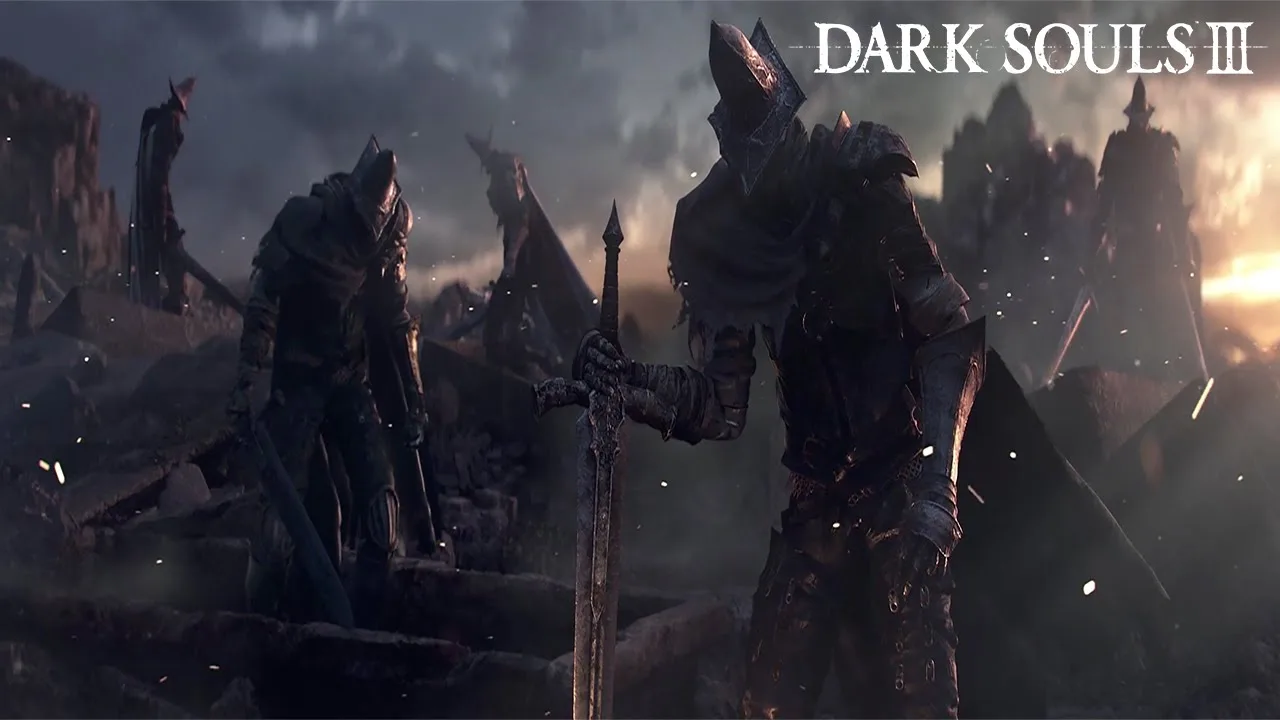
A pyromancy covenant, for example, grants a pyromancy damage bonus and enables Smoldering Stones to drop alongside normal enemy loot. Those materials also connect to reinforcement and merchant exchanges.
The progression loop works like this:
- Equip a covenant that supports your character.
- Gather its currency while fighting enemies.
- Exchange that currency for spells, weapons, armor, or higher-tier resources.
- Move into later covenant options as they become available.
Cornyx can exchange five Smoldering Stones for one Chaos Remnant. Chaos Remnants serve as the higher-tier pyromancy currency used for advanced rewards.
Later covenant options can change both the bonus and the drops. The advanced fire covenant boosts all fire damage and lets enemies drop Chaos Remnants directly.
Equip the covenant whose rewards you currently need before exploring or farming. Its drops can advance your equipment and spell collection while you clear an area.
Weapon Upgrades, Armor Bonuses, and Alchemy
Weapons throughout the overhaul have revised stats and scaling. New additions also include custom movesets, expanding your choices beyond the base game’s familiar attacks.
Armor contributes passive bonuses, giving each piece a role beyond defense and appearance. Inspect those effects when assembling your equipment; a useful passive can support the same damage type or mechanic as your weapon, spells, and covenant.
Reinforcement Uses New Materials
Damage types have their own upgrade resources. Fire weapons use Smoldering Stones before moving into Molten Titanite, while dark weapons use Murky Sediment in their reinforcement path.
Unique and boss weapons also gain extended upgrade progression. Weapons that normally stop at +5 can reach +10 through the overhaul’s reinforcement system.
Check the material requirement before committing resources to a weapon. Familiar equipment names now sit within a different upgrade economy.
Boss Rematches Supply Upgrade Resources
Bosses drop additional remains items that can be exchanged for reinforcement materials. Rematch statues around the opening boss bonfire let you challenge defeated bosses again.
Rematches award souls and remains, making them useful for gathering upgrade resources. They do not award another copy of the boss’s unique soul; that reward remains limited to once per New Game cycle.
Refight a defeated boss when you need more remains for upgrades. Save the unique boss soul for the transposition reward you want.
Champions and Shell Rings
Champion enemies stand out through a golden pillar of light. These encounters feature stronger attacks, additional spells, substantial health, and valuable rewards. Champions do not respawn after defeat.
Their Souls of a Greater Foe can be transposed into Shell rings, which combine several effects in one equipment slot. You can equip only one Shell at a time.
Read the full effect description before choosing one. A Shell’s combination of bonuses needs to fit the rest of your equipment.
Crafting Consumables at Bonfires
Alchemy lets you craft consumables at bonfires using reagents and greater reagents. The selection includes healing and FP potions, temporary soul-gain and item-discovery boosts, and combat items.
Bombs cover multiple damage types, with additional options for pacifying or controlling enemies. Together with revised Luck scaling and equipment bonuses, these systems support characters that rely heavily on consumables.
Use crafted items to add damage types or utility your regular attacks lack. Against a troublesome encounter, check your available recipes before spending more upgrade materials.
Remixed Areas and Changed Boss Encounters
Exploration changes throughout the game. Enemy patrols, loot locations, lighting, decorations, and added geometry give familiar areas different routes and encounters.
Farron Keep gains bridges and ladders, along with the ability to run through the swamp. Irithyll adds platforms, pathways, and encounters along sections of the existing level. New connections also include a warp between Smoldering Lake and Irithyll Dungeon.
Explore new ladders, bridges, and side paths before following your usual route. Memorized item locations will no longer cover everything worth finding.
Boss encounters receive changes ranging from additional attacks to replacements. The opening fight features the Watchdog of Firelink, a fire-infused beast, while other encounters relocate familiar opponents or introduce different battles in their arenas.
Learn each encounter’s attack sequence before committing to a long punish. A familiar model can carry altered attacks, and the overhaul’s stronger equipment does not make an old dodge pattern reliable.
Hostile NPCs also use the expanded weapons and spells. Their fights emphasize lethal exchanges: they can deal heavy damage quickly, but you can bring them down quickly too. Leave enough stamina to escape after attacking, and watch for unfamiliar spell effects before closing the distance.
Continue with
 DARK Souls 3 Graphics Mod Guide: Lighting and TexturesChoose a DARK SOULS 3 graphics mod for sharper textures, dynamic shadows, and cleaner lighting. Learn setup steps, 2K options, and performance trade-offs.
More in Mods
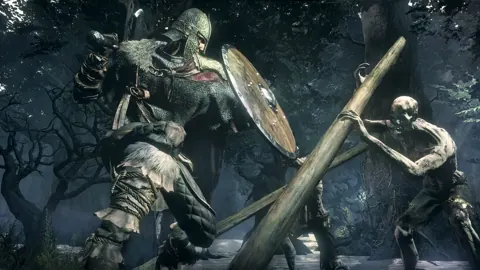
DARK Souls 3 Archthrones: Demo, Combat & Setup Guide
Explore DARK SOULS 3 Archthrones, including its five worlds, 17 bosses, new combat mechanics, DLC requirements, installation steps, and multiplayer setup.
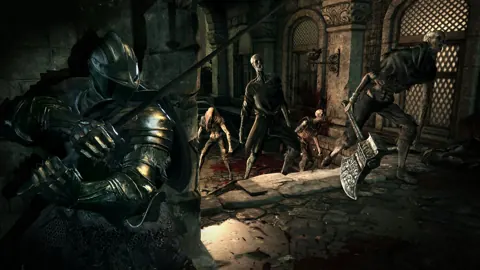
DARK SOULS 3 Mods: Overhauls, Challenges, and Setup
Explore DARK SOULS 3 mods, including Convergence, Cinders, and Archthrones. Compare gameplay changes, protect your saves, and prepare for a new run on PC.
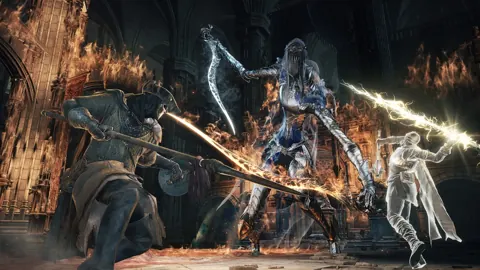
DARK SOULS 3 Seamless Coop: Install and Play With Friends
Set up DARK SOULS 3 seamless coop on PC, connect with friends, manage separate saves, and fix common errors for a smooth journey through Lothric together.
Join the community
Official channels for news, updates and player help: