DARK SOULS 3 Classes: Best Starts for Every Playstyle
Compare DARK SOULS 3 classes, starting stats, weapons, and spells. Choose a Knight, caster, or Dexterity build and spend early levels where they count.
Jump to
Which Starting Class Should You Choose?
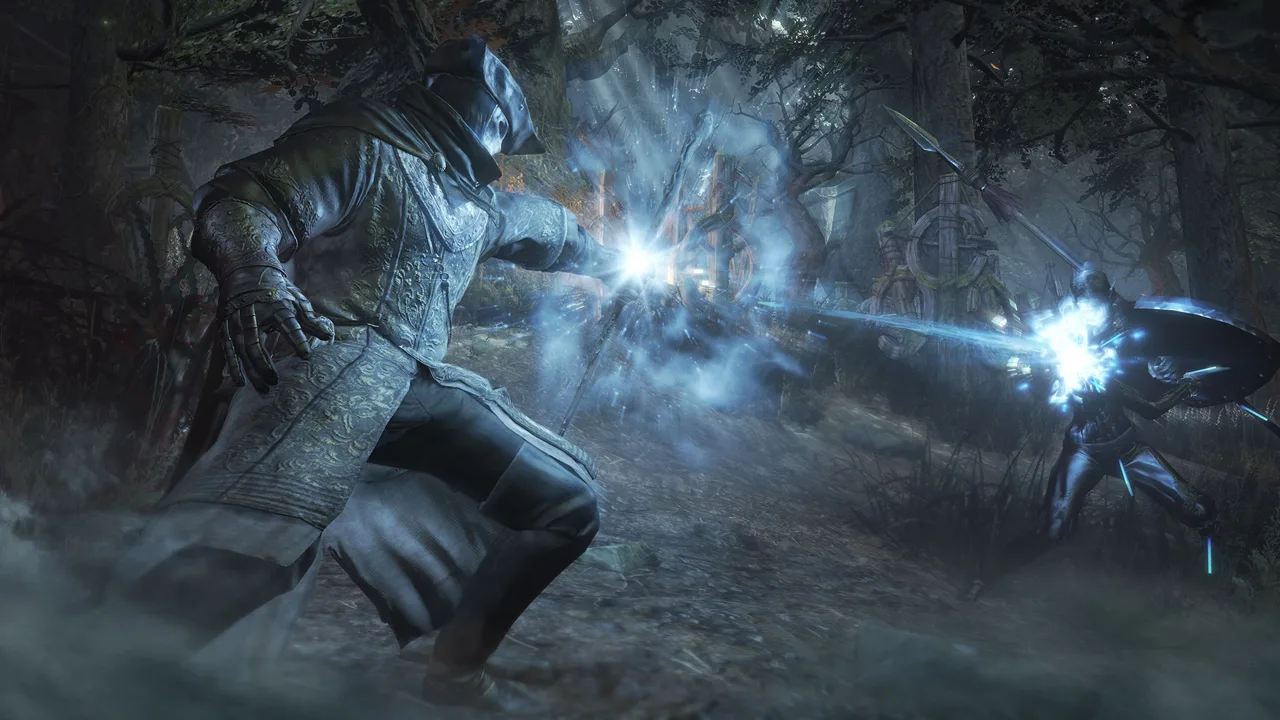
Pick Knight for a forgiving first run, Mercenary for paired swords, or Pyromancer to mix melee with ranged fire attacks. All 10 DARK SOULS 3 classes determine your starting equipment and attributes, which shape how you handle the opening fights. Those attributes also become permanent minimums, so your choice matters when planning a build around a specific Soul Level.
Every class can eventually use other weapons and learn other schools of magic by meeting their requirements. Starting as a Knight won’t prevent you from becoming a spellcaster, and choosing Sorcerer won’t lock you out of heavy weapons.
For a quick decision:
- Learning melee combat: Choose Knight for its Longsword, armor, and shield with 100% physical damage absorption.
- Building around Strength: Choose Warrior for its starting Strength and Vigor.
- Focusing on Dexterity: Choose Mercenary for immediate access to the Sellsword Twinblades.
- Casting offensive sorceries: Choose Sorcerer for its spells, staff, and Intelligence.
- Using pyromancy: Choose Pyromancer for Fireball and investment in both Intelligence and Faith.
- Committing to miracles: Choose Cleric for its starting Faith and healing spells.
- Seeking a tougher opening: Choose Deprived for its minimal equipment.
The starting levels vary, but higher-level classes haven’t received free attributes. Across every class, the sum of the nine attributes equals Soul Level plus 89.
| Class | Starting Level | Vigor | Attunement | Endurance | Vitality |
|---|---|---|---|---|---|
| Knight | 9 | — | — | — | 15 |
| Mercenary | 8 | — | — | — | — |
| Warrior | 7 | 14 | 6 | 12 | — |
| Herald | 9 | — | — | — | 12 |
| Thief | 5 | — | 11 | 10 | — |
| Assassin | 10 | 10 | 14 | 11 | 10 |
| Sorcerer | 6 | — | 16 | — | 7 |
| Pyromancer | 8 | 11 | 12 | 10 | — |
| Cleric | 7 | 10 | 14 | — | — |
| Deprived | 1 | 10 | 10 | 10 | 10 |
Vigor increases health, Endurance increases stamina, and Vitality increases equipment capacity. Attunement provides FP and spell slots. Keep those distinctions in mind before spending your first levels.
Official page: DARK SOULS™ III (bandainamcoent.com)
Knight and Warrior: Two Strong Melee Foundations

Knight: A Forgiving Start With Lasting Equipment
Knight begins with a Longsword, Knight Shield, and the Knight armor set. Its 13 Strength and 12 Dexterity support a range of early weapons, while 15 Vitality helps carry its heavier equipment.
The Longsword remains a viable weapon beyond the opening areas, so there’s no pressure to replace it immediately.
The shield blocks all physical damage from ordinary blockable physical attacks, but blocking still consumes stamina. Elemental damage also requires separate protection.
Lower your shield between enemy attacks to recover stamina, and leave enough stamina to roll away. Treat the shield as one defensive option alongside dodging.
Knight also starts with enough Attunement for one spell slot. You still need an appropriate spell, casting tool, and the required attributes before adding magic.
Warrior: Strength and Health From the Beginning
Warrior starts with 16 Strength, 14 Vigor, and 12 Endurance. Its Battle Axe provides a direct introduction to heavier melee attacks, backed by more starting health than any other class.
Its Round Shield has 86% physical damage absorption, so blocked physical hits can still chip away at your health. The axe also demands more commitment than a quick straight sword.
Wait for an enemy to finish attacking before swinging, then preserve stamina for your escape.
Warrior’s 6 Attunement suits a character with little interest in spellcasting. Reaching the first spell slot requires four additional points, bringing Attunement to 10. For a focused physical build, those low starting casting attributes can be useful when keeping your overall level down.
Mercenary and Thief: Dexterity With Different Priorities
Mercenary: Paired Swords From Character Creation
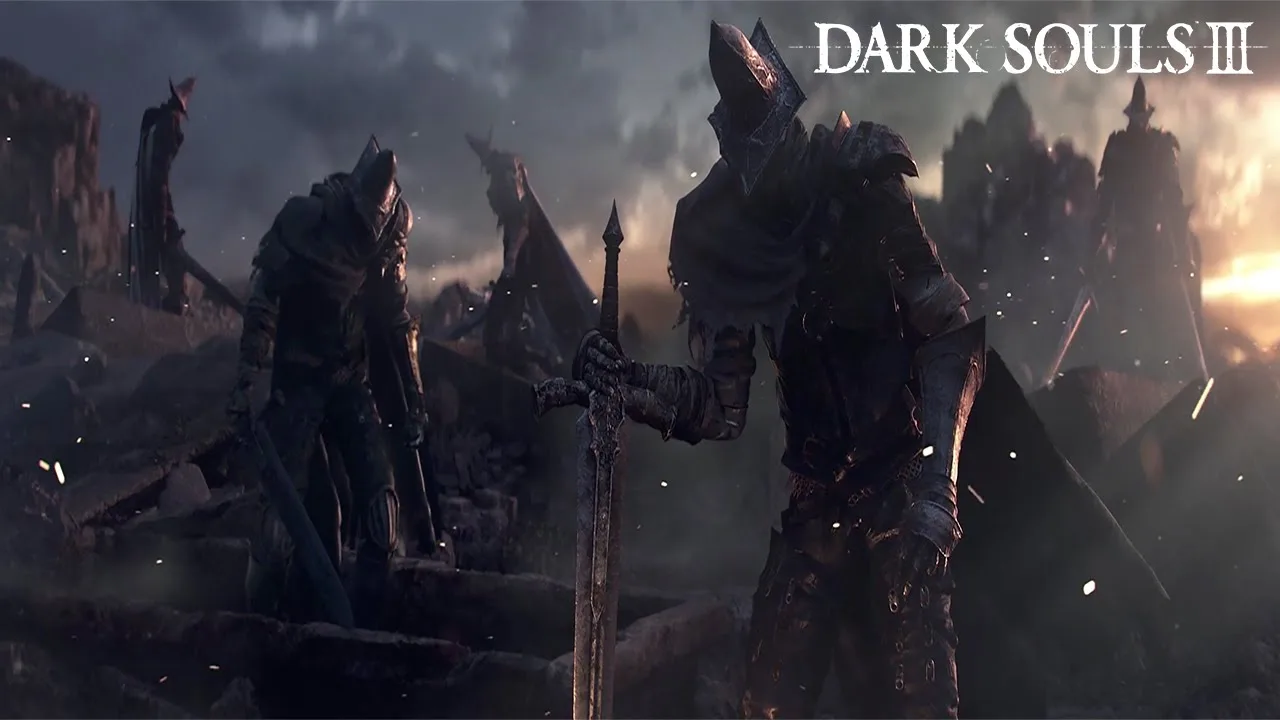
Mercenary starts with the highest Dexterity of the starting classes and the Sellsword Twinblades. Using the weapon’s paired mode puts a blade in each hand.
That equipment makes Mercenary a clear choice when you already want fast melee attacks and a Dexterity build. Its lighter starting armor provides less room for mistakes than Knight’s defensive setup.
Practice short attack sequences instead of spending your entire stamina bar on a single opening. Paired weapons reward recognizing how long an enemy stays vulnerable.
For early leveling, raise your health and stamina alongside Dexterity. The starting weapon already supplies the playstyle; surviving a missed dodge gives you more chances to learn it.
Thief: Bow Utility, Bleed, and Parries
Thief begins with a Bandit’s Knife, Short Bow, and Iron Round Shield. It is the only starting class with a bow, and its 14 Luck is also the highest starting Luck value.
The bow offers a practical exploration tool: pull one enemy away from a group before approaching. Watch your ammunition supply, since arrows are consumable.
The Bandit’s Knife applies bleed but deals low direct damage. Its shield is better suited to parrying than sustained blocking.
Choose Thief when those tools appeal to you. For a straightforward Dexterity character, Mercenary provides a more direct starting package. High Luck alone won’t make the opening fights easier; its item discovery benefit serves a different purpose from health or weapon damage.
Sorcerer: Offensive Magic With Limited Protection
Sorcerer starts at level 6 with 16 Intelligence and 16 Attunement. Its equipment includes a Sorcerer’s Staff, Mail Breaker, and Young Dragon Ring, which boosts sorceries.
 Image: Steam / FromSoftware, Inc.
It also begins with two offensive spells:
- Soul Arrow
- Heavy Soul Arrow
This gives you ranged damage immediately, while the light starting armor offers minimal physical protection.
Create space before casting, and keep a melee weapon ready for weaker enemies. Spending FP on every small encounter can leave you short before reaching the next bonfire.
Casting draws from the same FP resource used by weapon arts. Ashen Estus restores FP, while regular Estus restores health. Allocating more charges to Ashen Estus supports longer stretches of spellcasting but leaves fewer charges for direct healing.
Adjust your flask allocation through Andre to match the encounters ahead. If you repeatedly arrive at a boss with spare FP but no healing, shift some charges back to regular Estus.
Pyromancer: Fireball and Melee in One Starting Kit
Pyromancer starts with 14 Intelligence, 14 Faith, 12 Attunement, and 12 Strength. Its Hand Axe handles close combat, while the Pyromancy Flame casts Fireball at range. The Great Swamp Ring boosts pyromancies.
This combination gives you two ways to approach early encounters without first finding a casting tool. Fireball lets you attack from a distance, and the axe preserves FP when an enemy is already within reach.
Alternate between melee and pyromancy according to distance and available FP. Avoid forcing a cast while an enemy is already attacking beside you.
Pyromancy draws on both Intelligence and Faith, so this class suits a character planning to invest in both. That same distribution becomes less efficient if you later decide to use only physical weapons.
Other classes can learn pyromancy after obtaining the necessary equipment and spells.
Herald and Cleric: Healing Support or Dedicated Faith
Herald: Shield, Spear, and Heal Aid
Herald begins with 13 Faith, a Spear, a Kite Shield, and Heal Aid. The shield provides 100% physical damage absorption, giving this class a defensive foundation alongside its healing miracle.
The spear allows attacks from behind a raised shield. That option consumes stamina, making it dangerous to keep poking while an enemy continues attacking.
Watch your stamina during shielded attacks and disengage before it runs out. The spear’s reach also gives you room to attack without relying on blocking every hit.
Heal Aid supplies additional healing through FP. Use it during safe pauses rather than trying to cast while an enemy is pressuring you.
Cleric: A More Committed Miracle Start
Cleric begins with 16 Faith, 14 Attunement, and 12 Strength. Its Mace supplies close-range strike damage, and its Cleric’s Sacred Chime supports the starting miracles Heal and Force.
Heal restores health. Force pushes nearby enemies back, providing utility rather than a ranged damage spell.
That distinction matters when choosing a caster: Cleric doesn’t begin with lightning projectiles. Its opening combat still depends heavily on melee, supported by miracles.
Choose Cleric when you intend to keep investing in Faith. If your main interest is a shield and occasional healing, Herald starts closer to that defensive melee setup.
Assassin and Deprived: Utility or a Stripped-Down Opening
Assassin: Thrusting Attacks and Utility Sorcery
Assassin starts at level 10 with 14 Dexterity and 14 Attunement. Its equipment includes an Estoc, Target Shield, Sorcerer’s Staff, and Spook.
The Estoc delivers thrusting attacks, while the Target Shield supports parrying. Spook adds a stealth tool for exploration and approaching enemies.
This selection suits players interested in combining melee with utility magic. It also requires learning several systems at once: weapon spacing, parry timing, and FP management.
Learn the Estoc’s reach before adding risky parry attempts to your fights. You can use the weapon and spells without making every encounter depend on a successful counter.
For a specialized endgame build, compare Assassin’s starting attributes with the exact stats you need. Starting with more tools doesn’t automatically produce the lowest possible Soul Level.
Deprived: Balanced Attributes, Bare Equipment
Deprived begins at level 1 with 10 in every attribute. Its Club, Plank Shield, and minimal clothing create a much harsher opening than the equipped melee classes.
The Club provides useful strike damage, but the lack of protective equipment leaves less room for mistakes. Choose this class for that challenge or for a specific stat plan.
Level 1 does not make Deprived universally better for optimization. Its balanced attributes also place permanent points in stats your eventual build might never use.
Knight starts with fewer points across Attunement, Intelligence, Faith, and Luck than Deprived, which has 40 across those attributes. A physical build that uses Knight’s higher melee attributes and Vitality can benefit from having fewer points committed elsewhere.
Spend Early Levels and Upgrade Materials With a Build in Mind
Your starting equipment can remain useful for a long time when reinforced. Andre upgrades weapons with Titanite, and a normal weapon’s first reinforcement requires two Titanite Shards.
Reinforce a weapon whose moveset you enjoy, meet its requirements, and invest early levels in health and stamina alongside your chosen damage stats. Avoid spreading levels across every offensive attribute before deciding what you actually want to use.
Infusion changes a weapon’s damage properties and scaling. Reinforcement increases its upgrade level; the two systems serve different purposes.
| Infusion | What It Changes | Build Decision |
|---|---|---|
| Raw | Raises base physical damage and removes attribute scaling | Compare it while your damage attributes are low |
| Fire | Adds fire damage, reduces physical damage, and removes attribute scaling | Consider enemy resistances before relying on it |
| Refined | Reduces base damage and improves stat bonuses | Compare its damage preview against your current attribute investment |
Check the damage preview before confirming an infusion. Removing scaling can undermine a weapon you’re supporting with substantial attribute investment.
Keep your equipment load below 70% to avoid the heavy roll. Adding another weapon or heavier armor can push you across that threshold even when your starting setup felt comfortable.
You can later reallocate attributes through Rosaria up to five times per playthrough. Reallocation preserves your starting class’s minimum attributes, so it can redirect a build without erasing its original distribution.
For a character planned around a fixed Soul Level, compare classes against your complete target stats—including weapon requirements, spell slots, and equipment capacity. For an exploratory first playthrough, pick the starting tools you want to learn and develop the character around the weapons and spells you enjoy using.
Continue with
 DARK SOULS 3 Soft Caps: Stat Limits and Build PlanningLearn DARK SOULS 3 soft caps for every stat, including Vigor, Endurance, Strength, and casting stats. Spend your levels wisely and plan a focused build.
More in Builds
See all Builds
Continue exploring
Join the community
Official channels for news, updates and player help: