DARK SOULS 3 Build Calculator: Plan Stats and Loadouts
Use a DARK SOULS 3 build calculator to plan stats, compare weapon infusions, manage equip load, and prepare a melee or caster build before spending souls.
Jump to
How to Use a DS3 Character Planner
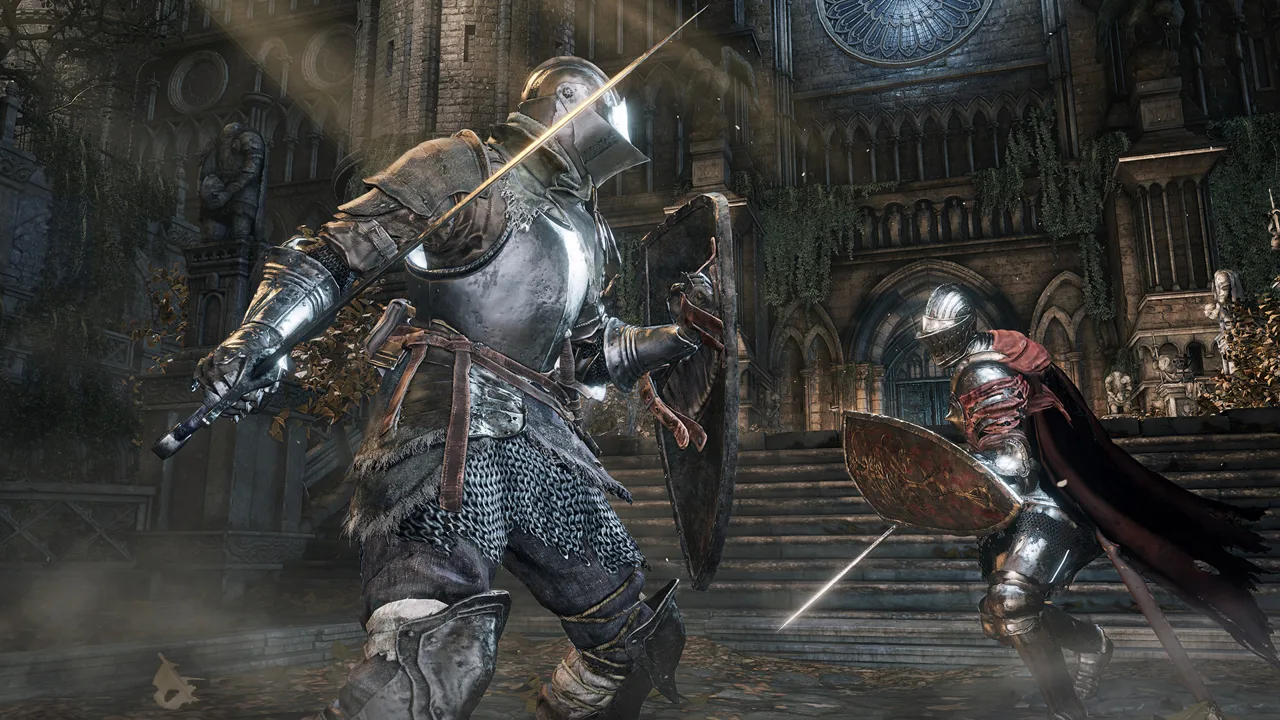
A DARK SOULS 3 build calculator helps you catch wasted levels, weapon requirements, and heavy equipment before they become problems in combat. Plan your complete loadout before spending souls or committing upgrade materials. Start with the weapon you want to use, then fit your stats, armor, rings, and spells around it.
A character planner brings several decisions onto one screen: Soul Level, attack rating, HP, FP, stamina, equipment load, absorption, and spell slots. Its value comes from comparing complete setups under the same conditions.
Build your character in this order:
- Select your starting class. For an existing character, enter the class you actually chose.
- Enter your target attributes. Watch the resulting Soul Level as you allocate points.
- Choose your weapons. Set their reinforcement level and infusion.
- Select your combat stance. Compare one-handed and two-handed values where appropriate.
- Add armor and all four rings. Recheck equipment load and defensive stats.
- Equip your casting tool and spells. Check requirements, available slots, and FP costs.
- Compare alternatives individually. Change one infusion, ring, or attribute allocation at a time.
Keep temporary buffs separate from your normal fighting setup. A damage number that depends on full HP or an active weapon buff represents a specific combat condition.
Official page: DARK SOULS™ III (bandainamcoent.com)
Choose Your Starting Class Around the Finished Build
The most efficient starting class reaches your desired attributes at the lowest Soul Level. Enter the finished stat distribution into a class optimizer before creating a new character.
 Image: Steam / FromSoftware, Inc.
Starting attributes matter because points already assigned to an unwanted stat still occupy part of your build. A class with attractive opening equipment does not automatically produce the lowest-level version of every finished character.
For a melee Quality build, Knight offers a useful foundation:
| Attribute | Knight starting value |
|---|---|
| Soul Level | 9 |
| Vigor | 12 |
| Attunement | 10 |
| Endurance | 11 |
| Vitality | 15 |
| Strength | 13 |
| Dexterity | 12 |
| Intelligence | 9 |
| Faith | 9 |
| Luck | 7 |
Use the optimizer again when changing your concept substantially. Trading a physical weapon setup for Intelligence and Faith investment changes which starting attributes help your finished build.
For an existing character, keep the original class selected while experimenting. Otherwise, the planner can produce a level allocation that does not match your character.
SL 125 Quality Build: A Practical Planning Example
A Quality build invests in both Strength and Dexterity to support a broad selection of melee weapons. The following Knight distribution reaches SL 125 before equipment bonuses:
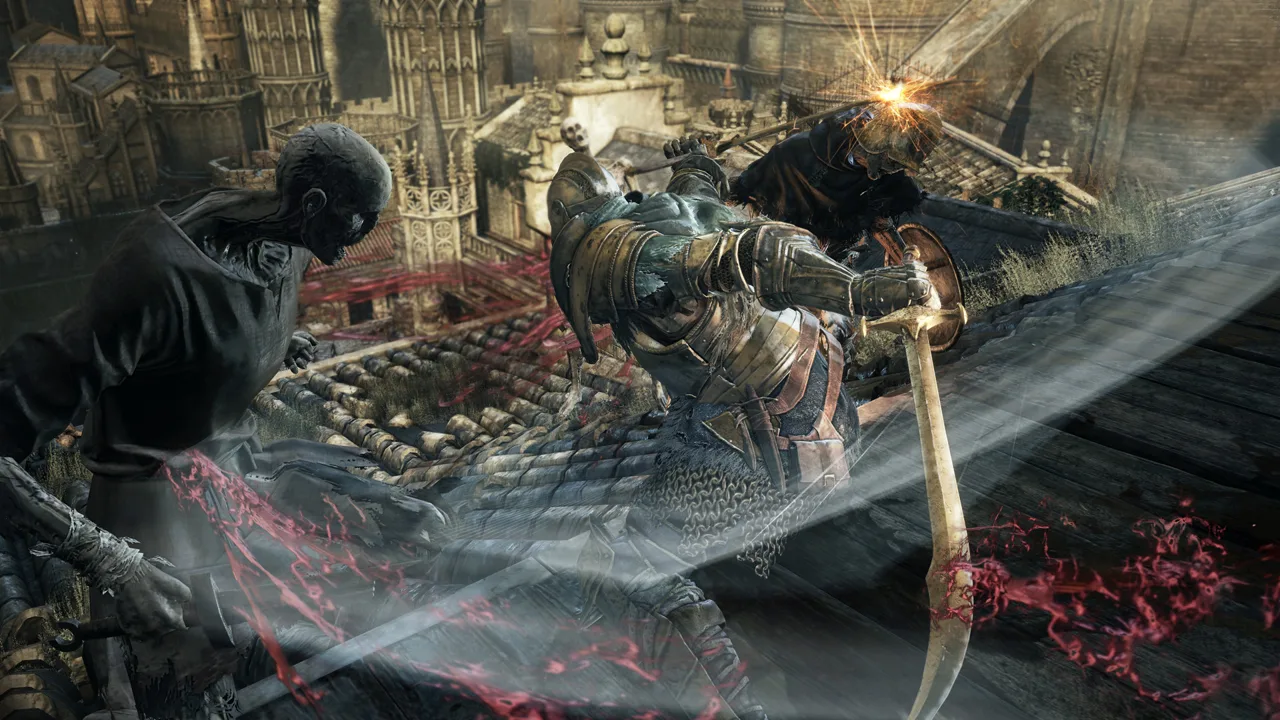 Image: Steam / FromSoftware, Inc.
| Attribute | Base value |
|---|---|
| Vigor | 34 |
| Attunement | 10 |
| Endurance | 35 |
| Vitality | 30 |
| Strength | 40 |
| Dexterity | 40 |
| Intelligence | 9 |
| Faith | 9 |
| Luck | 7 |
Prisoner’s Chain adds 5 Vigor, 5 Endurance, and 5 Vitality, so include the ring when evaluating HP, stamina, and carrying capacity. It also reduces damage absorption; inspect that tradeoff alongside the stat gains.
Use these equipment choices to explore the build:
- Sellsword Twinblades: Fast paired attacks for sustained melee damage.
- Claymore: Sweeping attacks, a thrusting heavy attack, and hyper armor for a different combat rhythm.
- Lothric Knight Sword: A straight sword option for fighting one-handed with a shield.
- Lothric Knight Greatsword: A heavier option with innate lightning damage.
- Sharp Dagger: A lightweight secondary weapon for critical attacks.
These weapons give the same attributes different jobs. Compare the weapon you intend to fight with, then budget enough weight for its supporting equipment.
A Tears of Denial Variant
To adapt this distribution for Tears of Denial, raise Attunement from 10 to 14 and Faith from 9 to 10. Move those five levels out of Vigor, reducing its base value to 29.
Equip the Priestess Ring to raise Faith to 15 for casting. After casting Tears of Denial, restore your usual ring and replenish the spent FP with Ashen Estus.
Save the casting arrangement and combat arrangement separately in your planning notes. That makes the temporary Faith bonus easier to distinguish from your normal attributes.
Compare Infusions and Attack Rating Correctly
Match every comparison to the same weapon reinforcement level. An infusion comparison becomes much less useful when one weapon is upgraded further than another.
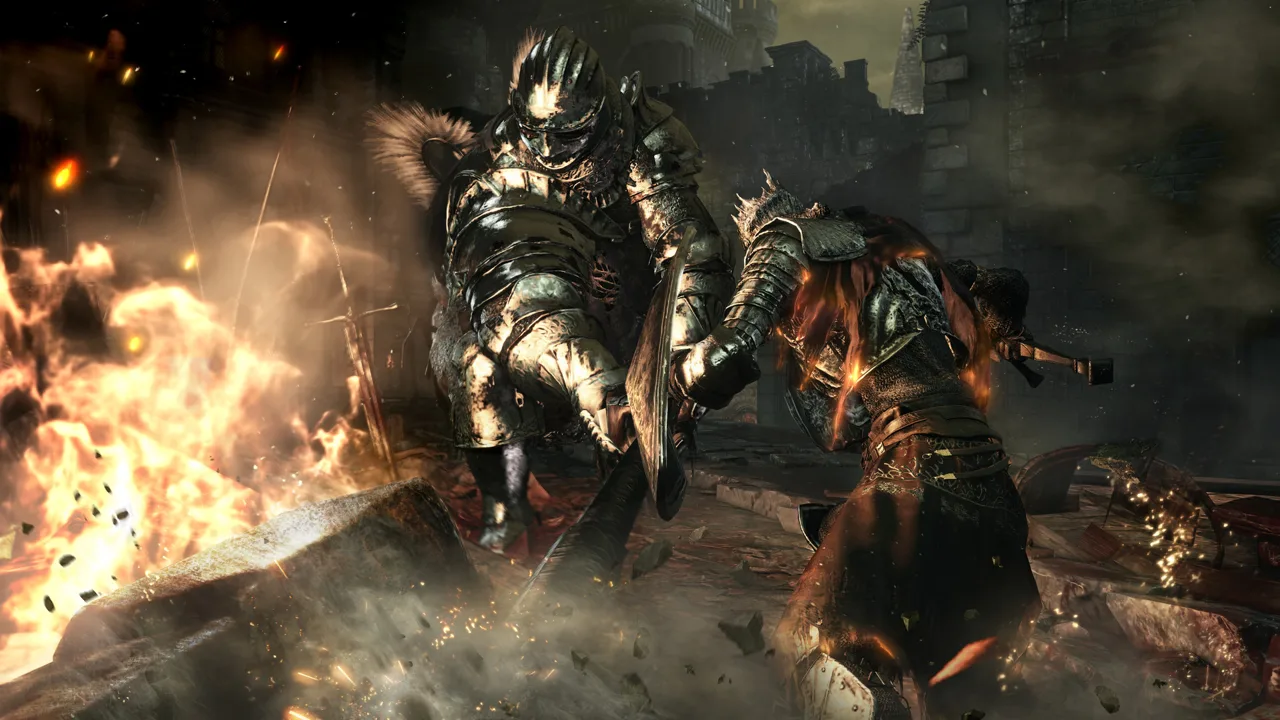 Image: Steam / FromSoftware, Inc.
At 40 Strength and 40 Dexterity, different weapons can favor different physical infusions:
| Weapon | Infusion to compare |
|---|---|
| Lothric Knight Sword | Refined |
| Claymore | Refined |
| Sellsword Twinblades | Sharp |
| Lothric Knight Greatsword | Sharp |
| Dagger | Sharp |
| Splitleaf Greatsword | Heavy |
Use these as starting comparisons for that distribution. Test the alternatives again whenever you change your offensive stats.
Fire and Deep infusions provide damage without Strength or Dexterity scaling. That lets an early melee character meet weapon requirements while directing levels toward Vigor, Endurance, and Vitality. As offensive attributes increase, compare a scaling infusion against the existing setup.
Buff compatibility also matters. Sharp-infused Sellsword Twinblades can accept weapon buffs, while their Fire-infused version cannot.
Two-Handing Changes the Comparison
Two-handing increases effective Strength by 50%. Set the planner’s stance to match how you intend to use the weapon before comparing attack values.
For a Strength-focused character, 66 Strength reaches an effective 99 Strength while two-handing. That interaction is useful when weighing additional Strength investment against defensive attributes.
Attack Rating Is Only Part of Weapon Performance
Attack rating does not account for everything that makes a weapon useful. Reach, attack speed, stamina consumption, critical modifiers, and available openings all affect its performance.
Damage types matter, too. Split damage passes through the corresponding enemy defenses separately. Compare the damage breakdown alongside the total, then choose an element suited to the enemy you are preparing to fight.
For paired weapons such as Sellsword Twinblades, pay particular attention to weapon buffs: their repeated hits benefit strongly from added damage.
Fit Armor and Rings Within Your Equip Load
Choose your weapons before optimizing armor. A heavier weapon can change how much protection you can carry while keeping your preferred roll.
Keep equipment load below 70% for a medium roll. Fast rolling requires staying below 30%, which leaves less room for heavy armor.
Three rings deserve attention when planning carrying capacity and survivability:
- Havel’s Ring +3: Increases maximum equipment load by 19%.
- Ring of Favor +3: Increases maximum HP by 6%, maximum stamina by 11.5%, and maximum equipment load by 8%.
- Prisoner’s Chain: Adds five points each to Vigor, Endurance, and Vitality, with an absorption penalty.
Select the exact ring version you own. Planning around a stronger version changes the loadout’s weight allowance.
Use an armor optimizer after fixing any pieces you want to keep for appearance. Set the load limit and choose the defensive property you want to prioritize.
Poise deserves special attention with heavy weapons. Its benefit is tied to attacks and skills that provide hyper armor, so compare it with the moveset you intend to use.
For physical protection, remember that Ring of Steel Protection +3 has different effects against enemies and players: 17% physical absorption in PvE and 5% in PvP. Select the appropriate combat mode when evaluating it.
Set Up Spells, Catalysts, and Buffs
For a caster or hybrid, enter the complete casting setup before judging spell damage. Attribute requirements, attunement slots, FP, and catalyst selection all belong in the same plan.
Check the following:
- Equip the casting tool used for the selected spell.
- Set its reinforcement level.
- Confirm the spell’s attribute requirements.
- Check the total attunement slots required.
- Inspect FP costs and buff duration.
- Place the weapon receiving a buff in the active weapon slot.
If a weapon buff is missing from the displayed result, inspect the active slots and casting-tool placement. Magic Weapon requires the spell tool in the left hand; Magic Shield uses the spell tool in the right hand.
For pyromancy, compare Intelligence and Faith investment with the melee levels the build would otherwise use. Chaos-infused weapons offer a way to connect that casting investment with a melee option.
Avoid budgeting every offensive attribute at once. Choose the spells and weapons you want, meet their requirements, and compare the resulting damage against the HP, stamina, or equipment capacity those levels could provide.
Check Respec Limits and Multiplayer Goals Before Committing
Rosaria allows five attribute reallocations per playthrough, each costing a Pale Tongue. Finish your planned distribution before spending one.
Use this checklist before confirming a respec:
- Keep the correct starting class selected.
- Check base attributes separately from ring bonuses.
- Match weapon upgrades and infusions to your actual equipment.
- Confirm spell requirements with the intended rings equipped.
- Check your combat loadout’s roll category.
- Disable buffs you will not maintain during ordinary fights.
For multiplayer, plan weapon reinforcement alongside Soul Level. Matchmaking considers both character level and the highest weapon upgrade level reached; equipping a weaker weapon does not erase the higher upgrade history.
SL 125 gives the Quality example a defined level budget. Choose your multiplayer target before allocating the final points, and keep reinforcement goals beside the build so both decisions remain visible.
Continue with
 DARK SOULS 3 Builds: Stats, Weapons, and Class GuideExplore DARK SOULS 3 builds for Strength, Dexterity, sorcery, and pyromancy. Choose your weapons, plan your stats, and match rings to your own playstyle.
More in Builds

DARK SOULS 3 Classes: Best Starts for Every Playstyle
Compare DARK SOULS 3 classes, starting stats, weapons, and spells. Choose a Knight, caster, or Dexterity build and spend early levels where they count.
DARK SOULS 3 Soft Caps: Stat Limits and Build Planning
Learn DARK SOULS 3 soft caps for every stat, including Vigor, Endurance, Strength, and casting stats. Spend your levels wisely and plan a focused build.

DARK SOULS 3 Strength Build Rings: Best Sets and Stats
Choose DARK SOULS 3 strength build rings for more HP, stamina, and equip load. Compare ring effects, find upgrades, and build a practical four-ring set.
Continue exploring
Join the community
Official channels for news, updates and player help: